

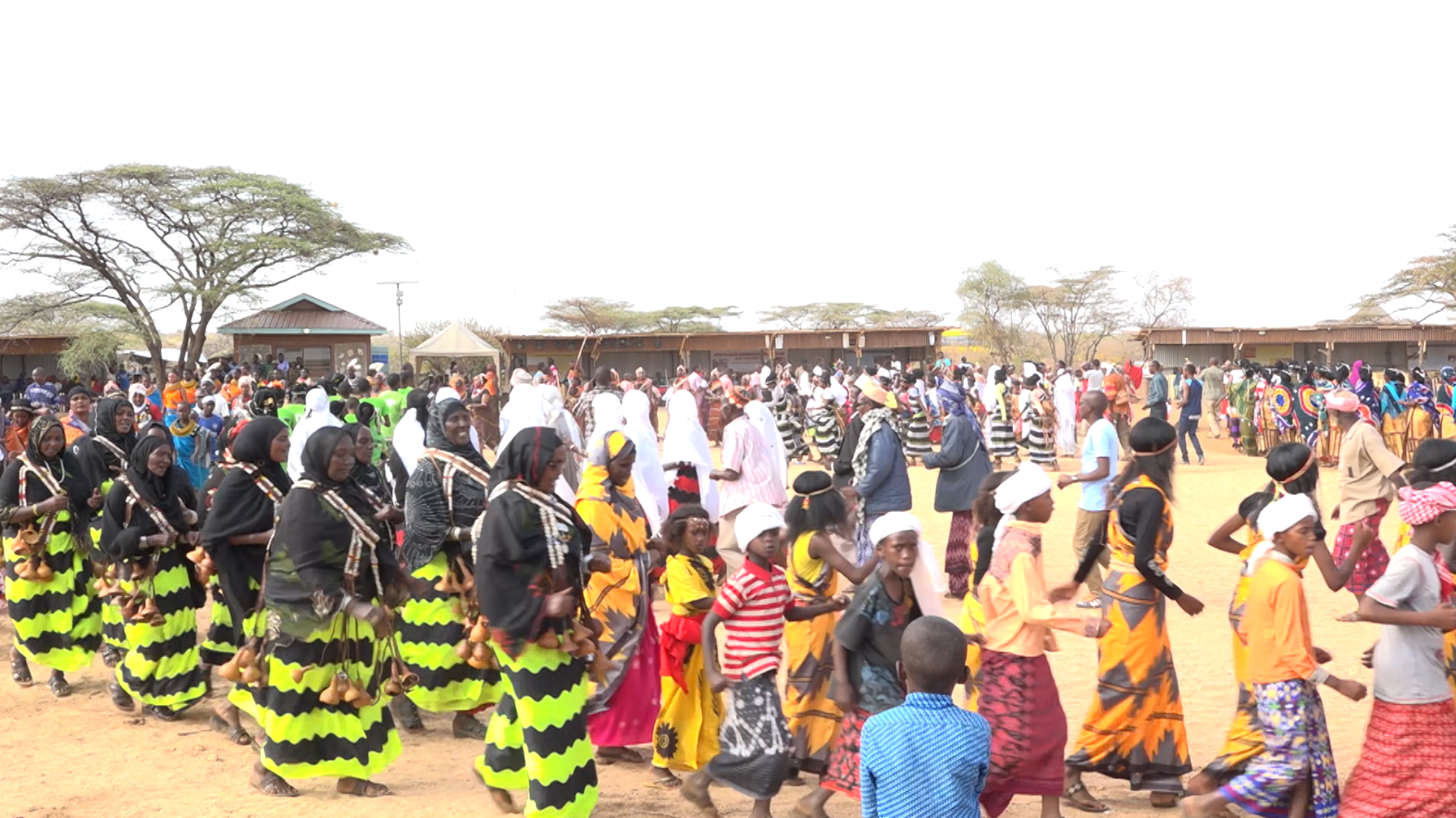

The Trust believes that cultural diversity provides an important foundation for building community harmony, promoting socio-economic development and a sense of national pride. We value rich indigenous knowledge and spiritual beliefs that has been integral to community well-being. We support celebration of cultural diversity and joint initiatives between communities to enhance restoration of cultural connection among marginalized minority ethnic communities in northern Kenya.
We work with local partners to enhance, mainstream and support application of traditional knowledge, wisdom and practice through documentation and transmission.
We believe that peace and social harmony is a prerequisite for development and prosperity. Kivulini acknowledges that there are more socio-cultural, historical and political factors that unite the communities in northern Kenya compared to the small differences that have hitherto been seen as the causes of perennial conflicts.
With the help of local partners, our aim is to create a forum for open discussion and dialogue between pastoralist communities of Northern Kenya and all other parties interested in regional development. In particular we aim to facilitate and encourage continuous dialogue between pastoralist communities and their legislators, administrators, Government, all economic sectors and other interested parties.
Further, we strive to promote peace and harmony within and between pastoralist communities of Northern Kenya through forums and exchanges that encourage shared values and shared burdens
Kivulini Trust believes that sustainable use of natural resources is the key to community development. The overarching goal is to improve the ability of the local people to benefit from the environment and promote resource ownership by the pastoral communities of northern Kenya.
Kivulini aims to improve the stake of pastoral communities in environmental management through creation of awareness on sustainable utilization and enhance biodiversity conservation through community based natural resource management.
The Trust supports the improvement of the social and economic status of pastoralist communities in the Trust area – through capacity building for sustainable livelihoods leading to self-reliance. We acknowledge the great untapped potential in pastoral production as a major livelihood option in a largely arid environment of northern Kenya.
In collaboration with our local and international partners our aim is to improve pastoral production to achieve food sufficiency. In addition we support other non pastoral livelihood options and to explore opportunities for livelihood diversification, including ecotourism, cultural tourism and sustainable exploitation of natural resources
AREA OF OPERATION
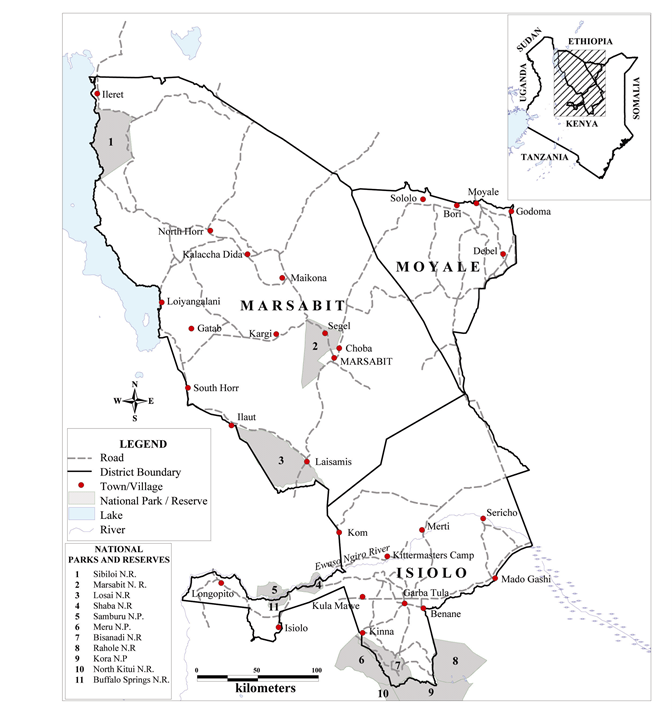
The region encompasses the counties of Isiolo and Marsabit in northern Kenya and covers an area of 100,510 sq km with an approximate population of 400,000 inhabitants.
It is characterized by low and unreliable rainfall (150-200 mm per year), high temperatures (30°C) and expansive scrublands, grasslands, extensive salt pans and lava-strewn desert plains with isolated extinct volcanic mountains.
Within this landscape is found a unique assemblage of faunal and floral diversity and important habitats that include Lake Turkana (which hosts Kenya’s largest concentration of Nile crocodiles), Mt. Kulal (world heritage site), Koobi Fora (World Heritage Site), Chalbi desert, Mt Marsabit (a unique Montane forest) and the Waso Nyiro River. The Grevy’s Zebra, the Beisa Oryx, the reticulated giraffe and the Somali Ostrich are among the endemic wildlife to this area.
The region is a home to diverse communities who have great pride in their heritage. They include the Gabbra, Boran, Saakuyye, Garri, Somali, Elmolo, Daasanach, Rendille, Samburu and the Turkana. These groups manage camels, cattle, sheep and goats which serve as source of livelihood. Other groups include the Konso, Waata and Burji who are blacksmiths, hunter-gathers and agro-pastoralists respectively.
The most important resource to the pastoralists is space. This natural asset, land, is central to the social, economic and spiritual well being of the communities whose conservation practices have ensured the survival of wildlife, catchments areas, water points, sacred sites and their livestock which need large space to track resources.
However pastoralists continue to face complex and inter-related challenges. The development of Northern Kenya region has been constrained by historical marginalization. Development policies that are biased toward high agricultural potential areas have portrayed northern Kenya as a waste land. Regional integration into national socio-economic development is challenged by poor understanding and misconception about pastoralism by policy makers and the general public. In addition, competition over limited resources has increased insecurity and ultimately hampered economic progress in the region
Rapid change and outside influence pose serious threats to the culture and their family values of pastoralists. These range from abandonment of use and production of material culture to corruption of language and practices of traditional religion.
In addition, irrational development processes such as provision of water and creation of settlements in a haphazard manner have largely undermined the wisdom of the traditional authority structures that regulated mechanisms of access, management, and control of grazing and water resources and the necessary mobility of pastoralists.
Kivulini hopes to mitigate these challenges through the raising of community awareness, enhancement of participation, building capacity, creation of opportunities and assist communities in the management of change.
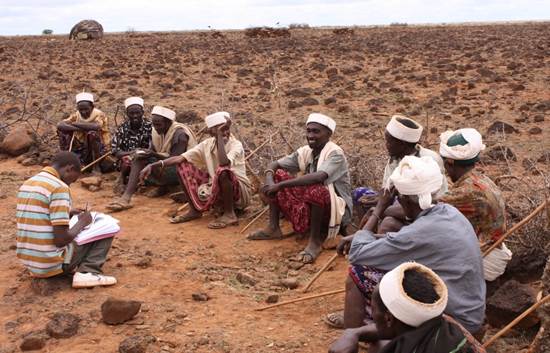
Conducting research, Documentation and transmission of knowledge on bio-cultural heritage
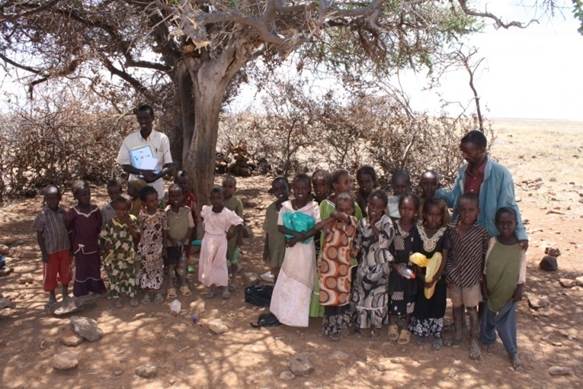
Development of culture schools and initiating culture and nature clubs in the region
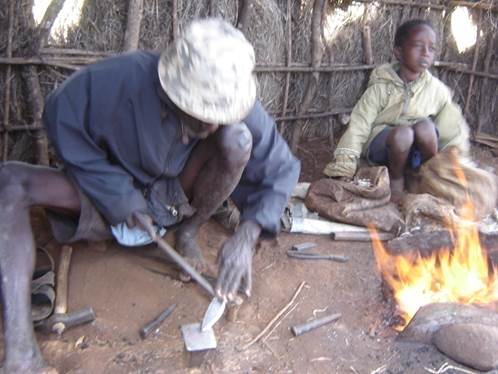
Supporting minority groups in the region protect their cultural heritage. (Konso blacksmith at work)
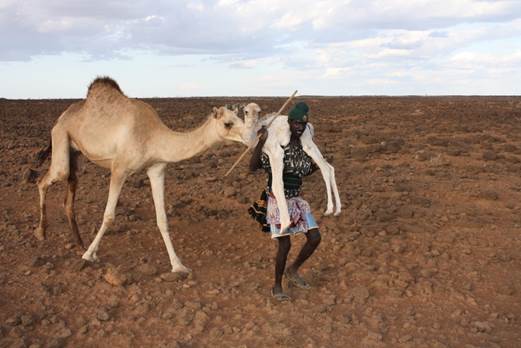
Supporting pastoralist communities protect their culture, land and natural resources. (A Gabbra herder carrying a new born camel home)