
Our Approach
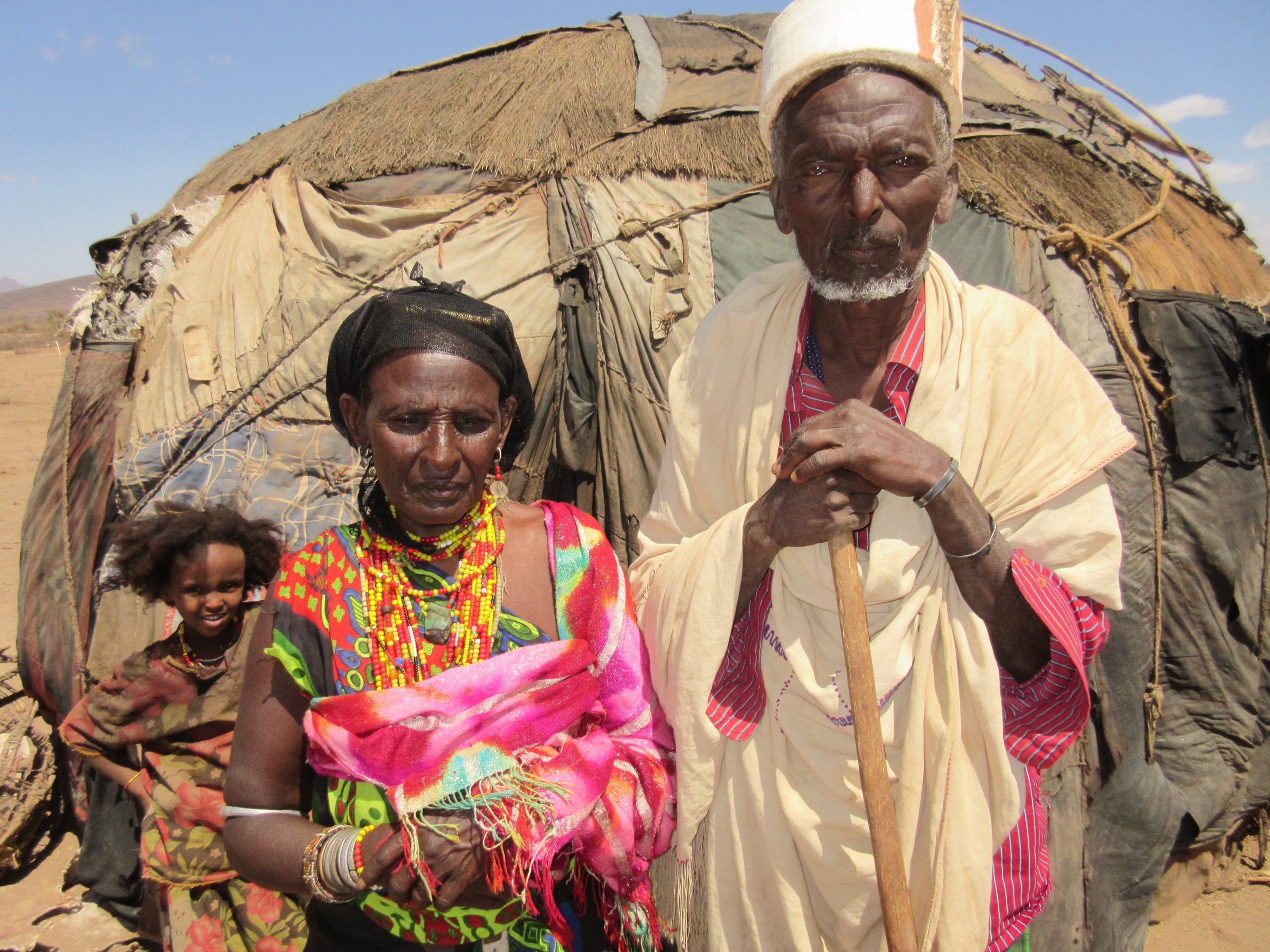
Kivulini Trust appreciates the ecological, cultural and socio-economic diversities of Northern Kenya. We also acknowledge that the lives of the communities of Northern Kenya has been shaped by a number of intrinsic and extrinsic factors which have led to complex challenge that calls for a multifaceted approach.
We strongly believe that communities of northern Kenya remain central to addressing these challenges. The complex and inter-related challenges that these communities face include political, social, geographic, economic and cultural marginalization; vulnerability due to aridity and environmental degradation; poor infrastructure and lack of social services, persistent state of insecurity and security of land tenure.
We believe that understanding the various dimensions and determinants of these challenges is a central component of any sustainable interventions that target these communities. Tackling these multi-faceted challenges requires a process based on the principles of integrated approach that enhances genuine and meaningful community engagement. These approaches require a thorough understanding of the physical and human environment of these populations so that we may be able to deploy multiple strategies to help communities tackle these challenges.
Our strategy is geared towards raising community awareness, enhancing participation and building capacity, creation of opportunities and recognition and management of change.
Community Participation
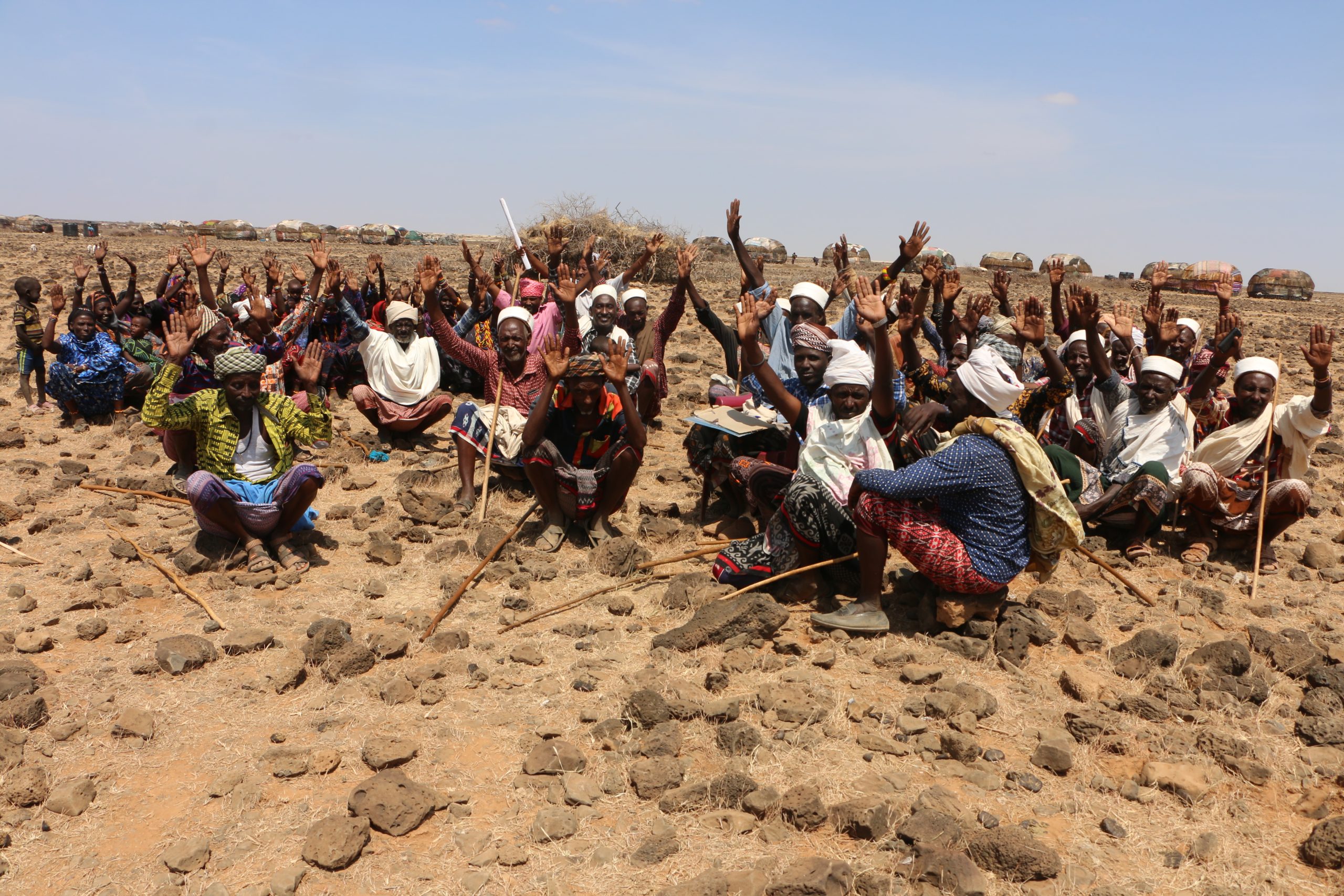
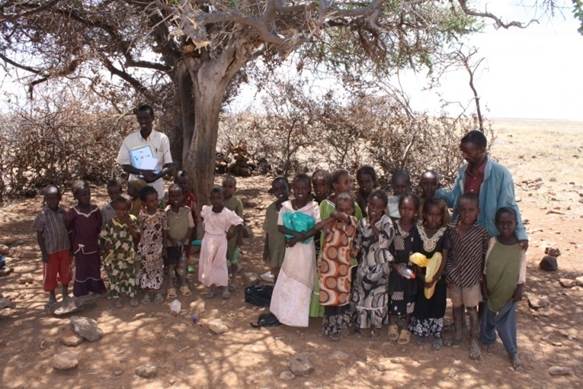
We believe that effective community participation in the articulation, identification, development and choice of options is a critical success factor for any intervention affecting them.
DOUM PALM
We also believe that effective ideas or interventions cannot be imposed top-down and disconnected from local knowledge and realities on the ground.
Moreover, successful and sustainable practices emanate at the community level, and are discussed, amended, enriched, evaluated and eventually “married” to local skills and perceptions.
In many cases, successful examples of working with such communities have been the result of a careful fusion between local knowledge and the selective use of external ideas.
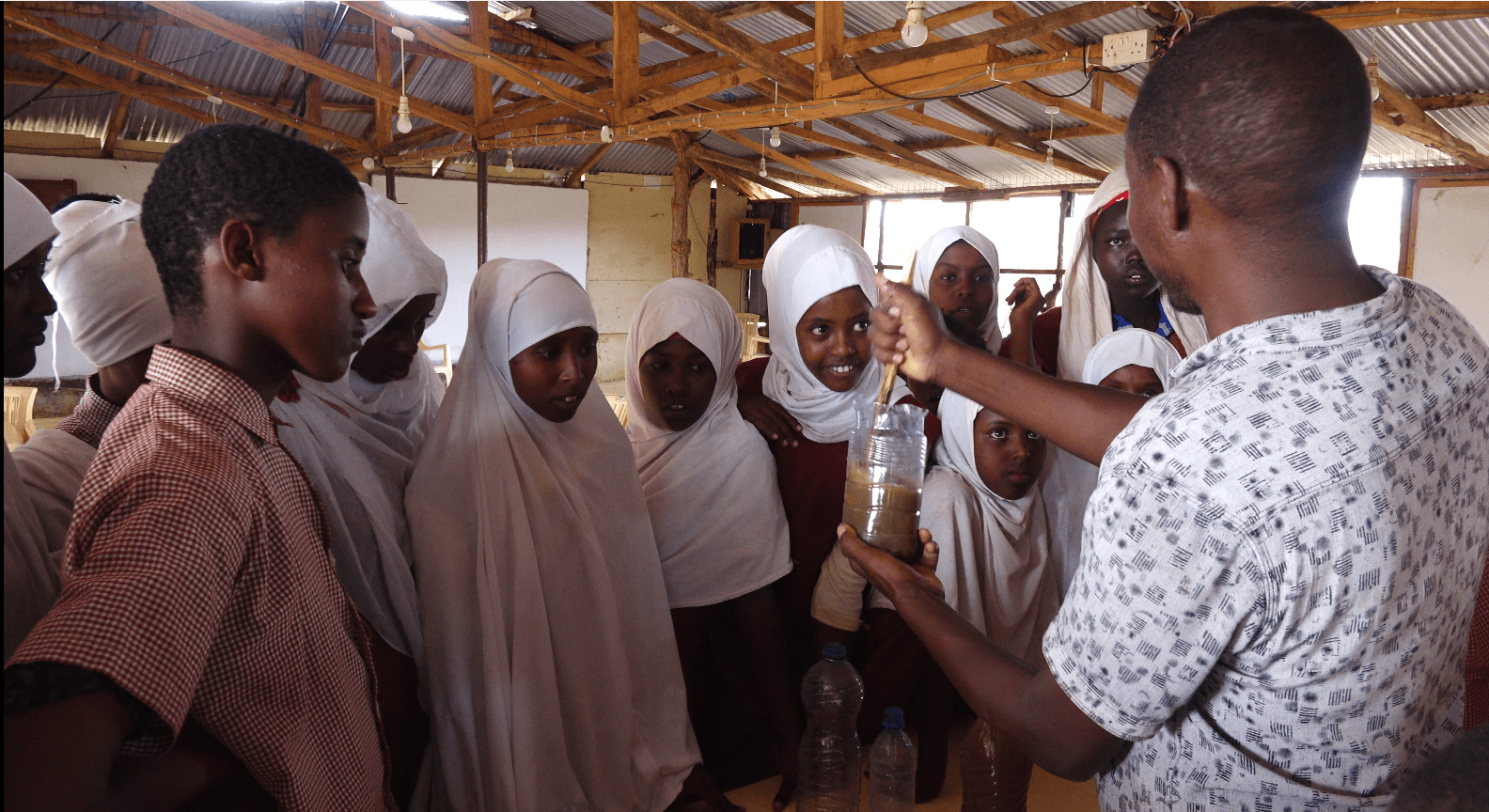
EFFECTIVE KNOWLEDGE SHARING AND MANAGEMENT
The problems facing these communities have been intensively studied and researched. However, the lingering challenge is one of wider knowledge sharing, dissemination and consolidation especially within the communities themselves.
We believe what is required is a complementary practical step that entails ensuring that relevant cultural knowledge is packaged and made available in forms that are useful, available and transferable across generations.